Alternative Sites
Five primary alternative locations and systems offer comparable or superior capabilities for space domain awareness without impacting sacred lands.
Continental & International Alternatives
The Department of the Air Force has dismissed these established observatory locations without conducting the rigorous technical analysis required by federal law.
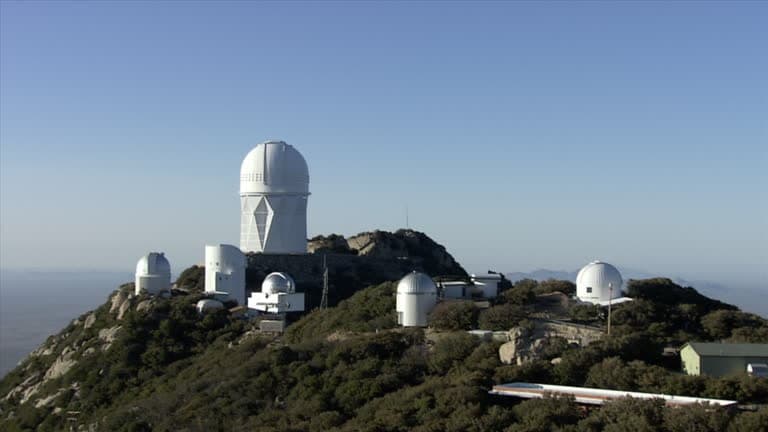
Mount Hopkins, AZ
- •8,553-foot elevation in Santa Rita Mountains
- •Exceptional frequency of clear nights
- •Proven atmospheric quality for tracking
- •Established research infrastructure
Site hosting the MMT facility and Whipple Observatory.

White Sands, NM
- •Home to 15th Space Surveillance Squadron
- •Existing DAF Detachment 1 infrastructure
- •Established orbital tracking site
- •Monitors high-interest space objects today
A mission-ready site with existing military assets.
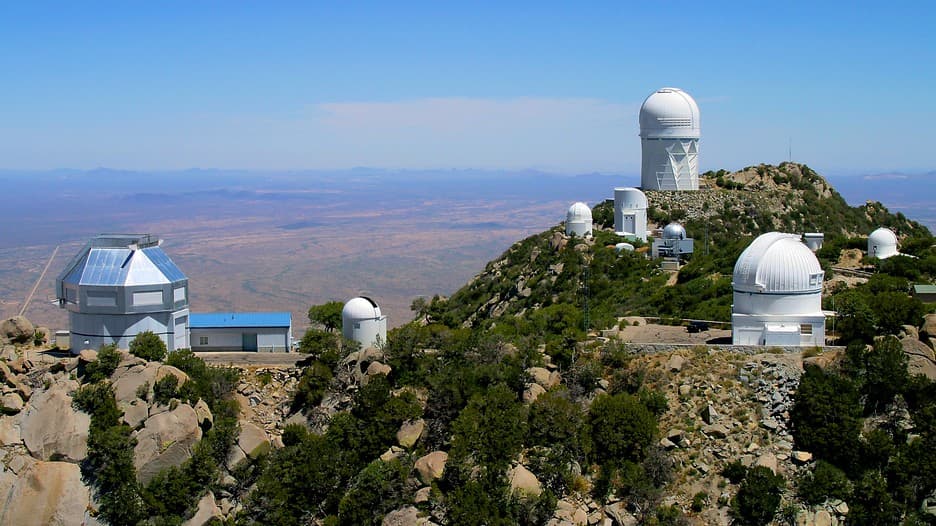
Kitt Peak, AZ
- •Highest point in the Quinlan Mountains (6,883 ft)
- •Host to the Kitt Peak National Observatory
- •VLBA Radio Telescope Infrastructure
- •Proven continental surveillance capability
One of the world's premier astronomical locations.
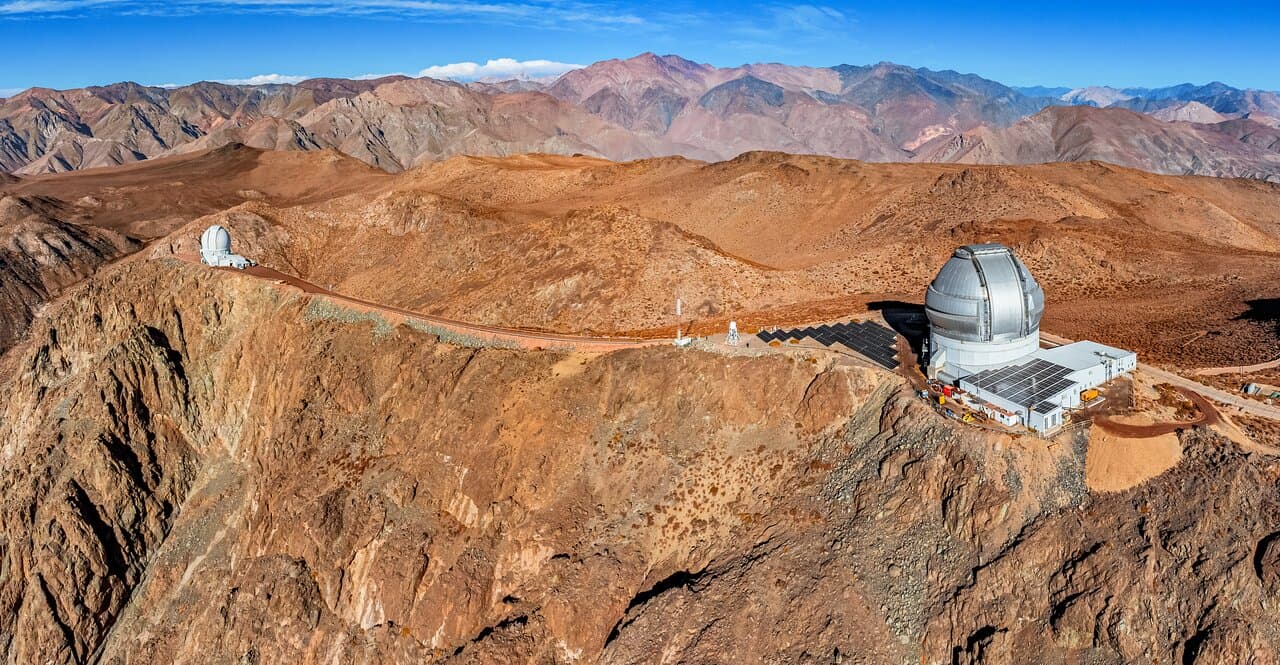
Cerro Pachón, Chile
- •Hosting Gemini South & SOAR telescopes
- •Vera C. Rubin Observatory (8.4m telescope)
- •Global tracking of 48,900 space objects
- •Superior atmospheric conditions to Haleakalā
A world-class site for deep-space surveillance.

Las Campanas, Chile
- •Alternative high-elevation Chilean site
- •Existing infrastructure for global tracking
- •Exceptional seeing conditions
- •Minimal cultural conflict compared to Maui
Recommended as a superior international alternative.
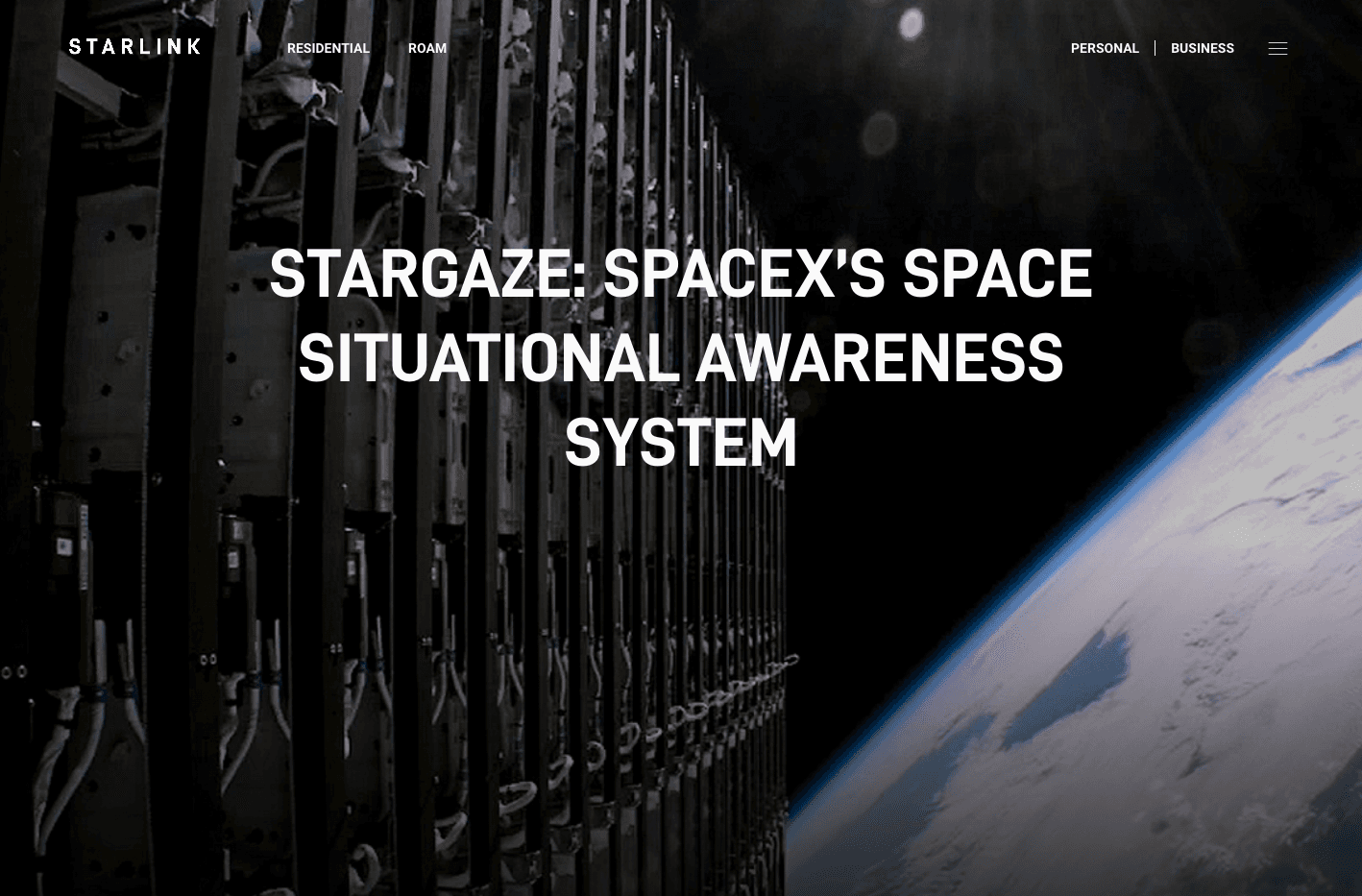
Space-Based: Stargaze (SSA)
SpaceX's Stargaze system represents the future of Space Situational Awareness, performing tasks that land-based telescopes cannot achieve.
- Zero atmospheric interference (Perfect seeing)
- Reaction times measured in minutes, not days
- Global coverage across low Earth orbit (LEO)
- Collision risk reduced to zero via real-time data
The Legal Requirement
Federal law requires more than acknowledging alternatives exist. The Air Force must:
Conduct technical feasibility studies of each alternative location.
Compare operational capabilities using objective metrics.
Analyze costs and benefits across all alternatives.
Document why alternatives are infeasible if that is the conclusion.